
WAREHOUSING
How Fulfilment Centers Improve Inventory and Warehouse Management for Online Brands
31 Mar 2026, 5 MINUTE READ
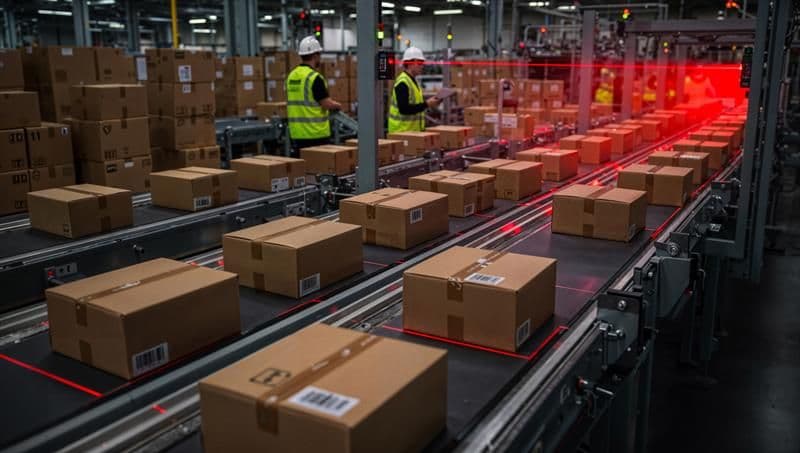

A customer places an order, receives a confirmation, and expects timely delivery. Behind this experience lies a structured system of ecommerce logistics, inventory management, and warehouse management that ensures products move efficiently from storage to doorstep.
This is where a fulfilment center becomes critical. It acts as the operational backbone that keeps products organised, orders processed efficiently, and logistics functioning without disruption. As order volumes grow, brands quickly realise that reliable infrastructure is just as important as marketing or product quality.
At Varuna, we often see how businesses transform once their logistics foundation becomes stronger. When inventory is organised, warehouse operations are structured, and logistics systems are reliable, brands gain the confidence to scale without worrying about operational bottlenecks.
How Fulfilment Centers Transform Inventory and Warehouse Management?
A fulfilment center is much more than a storage space. It is a structured facility where products are stored systematically, orders are prepared, and stock movement is tracked continuously. Every item entering the facility becomes part of a carefully monitored process designed to maintain accuracy and efficiency.
As brands grow, managing these activities internally becomes increasingly difficult. More products mean more complexity in organising stock, preparing orders, and maintaining visibility over inventory levels. Without a structured operational system, delays and errors begin to appear.
At Varuna, we focus on building warehousing and logistics systems that simplify this complexity. By structuring storage layouts, workflows, and operational processes within our facilities, we ensure that brands have a stable logistics framework supporting their daily operations.
Why Inventory Management Is the Heart of a Fulfilment Center?
Every fulfilment center relies heavily on effective inventory management. Without proper stock tracking, even the most advanced facility can struggle with delays, misplaced products, and inaccurate order fulfilment.
Inventory management ensures that every product entering the warehouse is recorded, organised, and tracked throughout its lifecycle. This visibility allows businesses to maintain control over their stock while responding quickly to changing demand.
When inventory management is handled efficiently, several operational advantages emerge.
Before exploring these benefits, it is important to understand how structured inventory practices support daily logistics operations.
- Real-time stock visibility: Businesses can monitor available inventory at any given time, preventing overselling and ensuring that customers receive accurate order confirmations.
- Improved demand planning: Historical stock movement data helps brands anticipate demand patterns and plan production or restocking accordingly.
- Reduced product loss: Organised storage and tracking systems minimise the chances of misplacement, damage, or inventory discrepancies.
- Faster order preparation: When products are categorised and stored logically, warehouse teams can locate them quickly during order processing.
At Varuna, inventory management is treated as a strategic operational process rather than a simple storage task. Our warehouse facilities are designed to maintain clear product visibility so that brands can manage their stock confidently and avoid unnecessary disruptions.
Warehouse Management: Creating Structure Within the Facility
While inventory management focuses on stock tracking, warehouse management focuses on how products move within the facility itself. It determines how items are stored, organised, and prepared when orders are received.
Without structured warehouse management, even a large facility can become inefficient. Teams may struggle to locate products, order preparation can slow down, and operational errors may increase. This is why structured workflows are essential within any fulfilment environment.
A well-designed warehouse management system introduces order and efficiency into daily operations.
To understand its impact, it helps to examine the core elements that define effective warehouse management.
Strategic Storage Layouts
Businesses can monitor available inventory at any given time, preventing overselling and ensuring that customers receive accurate order confirmations.
Efficient Picking and Packing Processes
Structured workflows allow teams to locate and prepare products quickly while maintaining accuracy.
Defined Operational Systems
Clear procedures ensure that teams can handle large volumes of orders without confusion
Scalable Infrastructure
Warehouse layouts are designed to accommodate increasing inventory levels as businesses grow.
At Varuna, warehouse management is built around operational discipline. Every warehouse facility we operate follows structured processes that allow brands to manage high order volumes while maintaining consistent service standards.
How Fulfilment Centers Enable Brands to Scale?
Many brands begin their journey by managing products from a small storage space or basic warehouse setup. While this approach may work in the early stages, it quickly becomes inefficient as order volumes increase.
A fulfilment center introduces structure into this process. Products are organised systematically, orders follow defined preparation workflows, and inventory is tracked accurately throughout the operation. This level of organisation allows businesses to expand confidently without worrying about operational breakdowns.
Before scaling their reach, brands need reliable logistics systems that can handle growing demand without sacrificing accuracy or efficiency. A well-structured fulfilment system enables brands to achieve this through the following operational strengths:
- Centralised product organisation: Keeping inventory within a structured facility simplifies stock monitoring and order preparation.
- Professional order handling: Dedicated teams ensure products are prepared accurately and efficiently.
- Improved inventory accuracy: Advanced inventory management systems reduce stock discrepancies.
- Consistent operational performance: Structured processes allow brands to maintain service reliability even during high-demand periods.
Businesses benefit from logistics systems that are designed to grow alongside them. By building structured warehousing and operational frameworks, companies can strengthen the backbone of their logistics and scale their operations without unnecessary complexity.
Conclusion
Every successful online brand relies on a strong operational foundation that customers rarely see. Behind every order lies a logistics system that manages products, tracks inventory, and prepares orders with accuracy. Fulfilment centers play an essential role in making this possible. When inventory management, warehouse management, and ecommerce logistics operate together within a structured environment, brands gain the stability they need to grow confidently.
At Varuna, we believe logistics should simplify operations rather than complicate them. Through organised warehouse infrastructure, disciplined processes, and a deep understanding of logistics operations, we help businesses build reliable systems that support long-term growth. For brands seeking to strengthen their operational capabilities, partnering with an experienced logistics provider like Varuna Group can provide the structure, reliability, and expertise required to power the next stage of growth.
Related Insights

WAREHOUSING
Emerging Warehousing Trends in Tier 2 & 3 Cities: Enhancing Reach
9 Jul 2025, 6 MINUTE READ
WAREHOUSING
How Fulfilment Centers Improve Inventory and Warehouse Management for Online Brands
31 Mar 2026, 5 MINUTE READ

WAREHOUSING
Ethical Logistics: Building Trust through Integrity and Transparency
15 Jul 2024, 6 MINUTE READ

WAREHOUSING
Top 6 Warehouse Design Trends in India
11 Feb 2022, 5 MINUTE READ

WAREHOUSING
What Services Do Leading 3PL Companies Offer Beyond Transportation and Warehousing?
11 Jun 2026, 6 MINUTE READ
Popular Search
Supply Chain Management
Inventory Management
Logistics Supply Chain Management
Warehousing Management
3pl Third Party Logistics
Multi User Facilities
Logistics Companies In Chennai
Warehouse In Coimbatore
Logistics Services In Mumbai
Logistics Company In Delhi
Warehouses In Bangalore
Logistics Companies In Pune
Logistics Companies In Gurugram
Logistics Company In Indore
Logistics Company In Kolkata
Logistics Company In Coimbatore
Logistics Company in Hyderabad
Logistics Company in Kochi
Best Logistics Company In India
Logistics Services in Nagpur
Logistics Company in Ahmedabad
Warehousing in Delhi
Warehouse in Hyderabad
Cochin Logistics Companies
Logistics Companies In Mumbai
Warehousing In Kolkata
Warehousing In Chennai
Warehouse In Gurugram
Warehouses In Indore
Warehousing In Pune
Drive efficiencies throughout your supply chain with our technology-enabled services