
SUPPLY CHAIN MANAGEMENT
Inventory Management Strategies for Online-Only Businesses
3 Apr 2026, 6 MINUTE READ
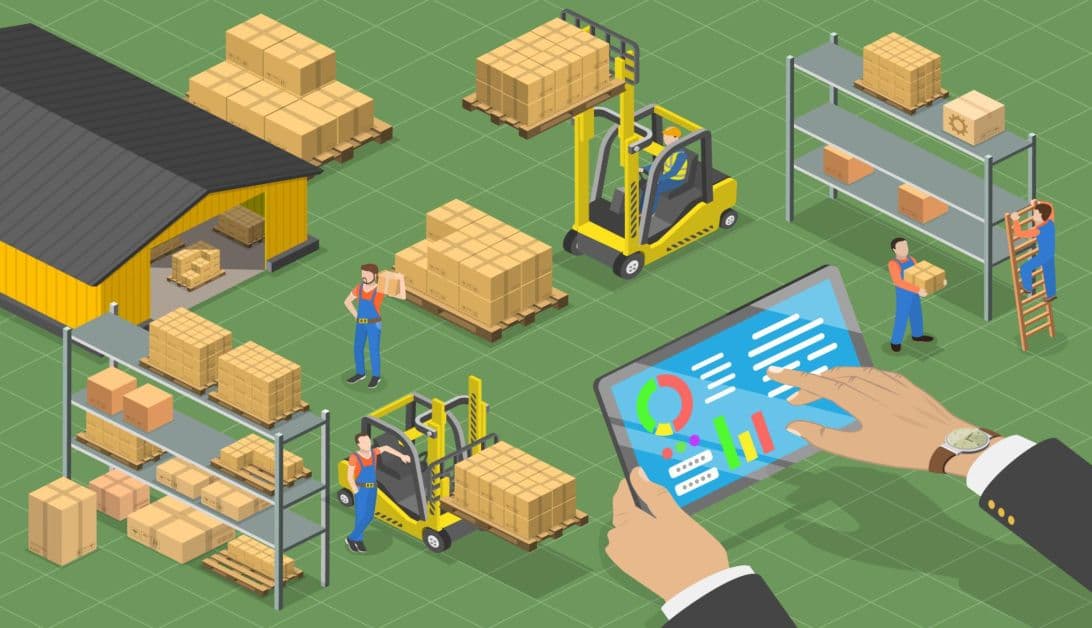

The transition from traditional brick and mortar establishments to digital-first models has fundamentally altered the rhythm of modern commerce. For businesses operating without a physical storefront, the warehouse is no longer just a storage space; it is the beating heart of the entire operation. Success in this space depends less on foot traffic and more on the precision of logistics supply chain management to ensure that every click translates into a seamless delivery.
At Varuna Group, we understand that for online-only businesses, inventory represents both your greatest asset and your most significant risk. Holding too much stock ties up essential capital, while holding too little leads to the dreaded stockout and lost customer trust. Striking the perfect balance requires a sophisticated approach to inventory management that prioritises data over guesswork.
The Foundation of Digital Inventory Success
In a digital-only environment, your visibility is limited to what your software tells you. Unlike a physical shop where a manager can glance at a shelf to see what is running low, an online business relies on digital synchronisation across various platforms. This necessitates a robust framework for supply chain management that integrates your sales channels directly with your warehouse systems.
Effective management begins with understanding the lifecycle of a product. From the moment a purchase order is raised with a manufacturer to the second the final package is handed to a courier, every movement must be tracked. This transparency allows leaders to identify bottlenecks, such as slow-moving SKUs that are draining resources or high-demand items that require more frequent replenishment.
Data-Driven Forecasting and Demand Planning
One of the most critical components of inventory management is the ability to predict the future. While no one has a crystal ball, historical data provides the next best thing. Online-only businesses have the advantage of capturing vast amounts of granular data regarding customer behaviour, seasonal trends, and geographical demand.
By leveraging this data, companies can move away from reactive purchasing and towards proactive planning. This involves:
- Analysing Seasonal Trends: Identifying periods of peak demand well in advance to adjust procurement cycles.
- Safety Stock Calculations: Determining the minimum amount of stock required to buffer against unexpected surges in demand or supplier delays
- ABC Analysis: Categorising inventory based on value and turnover rate to ensure that the most important products receive the most attention.
When these elements are integrated into your broader logistics supply chain management strategy, the result is a lean, agile operation that can pivot as quickly as market trends change.
Choosing the Right Fulfilment Model
The strategy you choose for holding and moving stock will define your overheads and your scalability. Online-only businesses typically gravitate towards one of three primary models:
1. Just-in-Time (JIT) Inventory
This strategy aims to increase efficiency and decrease waste by receiving goods only as they are needed for the sales process. While it significantly reduces warehousing costs, it requires a near-perfect supply chain management system, as there is very little margin for error if a supplier fails to deliver on time.
2. Dropshipping
For those looking to minimise risk entirely, dropshipping removes the need to hold any physical stock. When an order is placed, the business purchases the item from a third party who ships it directly to the customer. However, this often results in lower profit margins and a loss of control over the shipping experience.
3. Third-Party Logistics (3PL)
Partnering with a 3PL provider like Varuna Group allows online-only businesses to scale without the headache of managing their own warehouses. By outsourcing logistics supply chain management, companies can benefit from established infrastructure, advanced technology, and discounted shipping rates, allowing the core team to focus on brand growth and product development.
The Role of Technology in Modern Warehousing
The days of spreadsheets and manual stock counts are long gone. For a digital business to thrive, it must embrace automation. Modern inventory management software provides real-time updates that prevent overselling and help maintain accurate financial records.
Furthermore, technology enables better communication between different tiers of the supply chain. When your warehouse management system (WMS) communicates fluently with your procurement tools, the entire supply chain management process becomes automated. This reduces human error, which is often the primary cause of inventory discrepancies and shipping delays.
Optimising the Return Process
In the online-only world, returns are an inevitable part of the business cycle. However, many companies view returns as a lost cause rather than an inventory opportunity. A sophisticated inventory management strategy includes a clear plan for "reverse logistics."
When an item is returned, it must be inspected, refurbished if necessary, and returned to the "available" stock as quickly as possible. Efficient reverse logistics ensures that capital is not sitting idle in a return bin and helps maintain a healthy flow of goods back into the active logistics supply chain management cycle.
Conclusion
Inventory is the lifeblood of your online business. By implementing rigorous inventory management practices, you are not just counting boxes; you are ensuring the long-term viability of your brand. Whether it is through advanced data analytics, choosing the right fulfilment partner, or investing in the latest technology, the goal remains the same: to have the right product, in the right place, at the right time.
At Varuna Group, we specialise in the nuances of supply chain management and help digital-first enterprises navigate the complexities of the modern market. By refining your logistics supply chain management protocols, you can transform your inventory from a logistical challenge into a competitive advantage.
Frequently Asked Questions
Q1: How does effective inventory management improve cash flow? +
By accurately forecasting demand and reducing the amount of excess stock held in warehouses, businesses can free up capital that would otherwise be tied up in unsold goods. This liquidity can then be reinvested into marketing or product innovation.
Q2: What is the biggest risk in logistics supply chain management for online retailers?+
The primary risk is a lack of visibility. Without real-time data across the entire supply chain, businesses are prone to either overstocking, which leads to high holding costs, or understocking, which leads to lost sales and diminished customer loyalty.
Q3: Can small online businesses benefit from professional supply chain management?+
Absolutely. Even small operations can see significant improvements in efficiency by adopting professional standards. Implementing basic automation and structured procurement processes allows a small business to scale more effectively without being overwhelmed by operational complexity.
Q4: What is the difference between inventory management and warehouse management?+
Inventory management focuses on the broader picture of stock levels, ordering patterns, and demand forecasting. Warehouse management is more tactical, focusing on the physical movement and storage of goods within a specific facility to ensure picking and packing efficiency.
Q5: How often should an online-only business perform a stocktake? +
While many businesses perform an annual physical count, online-only enterprises benefit from "cycle counting." This involves regularly counting a small portion of inventory on a rotating basis, ensuring that digital records match physical stock without needing to halt operations for a full count.
Related Insights
WAREHOUSING
Role of Supply Chain Management in Economic Stability
31 Mar 2026, 8 MINUTE READ
SUPPLY CHAIN MANAGEMENT
Inventory Management Strategies for Online-Only Businesses
3 Apr 2026, 6 MINUTE READ

SUPPLY CHAIN MANAGEMENT
A Day in the Life of a Supply Chain Manager
15 Sep 2021, 3 MINUTE READ
WAREHOUSING
Multi-Client Warehousing: The Efficient Way To Scale Your Business
3 Feb 2026, 8 MINUTE READ

SUPPLY CHAIN MANAGEMENT
Top 5 Factors to Enhance Supply Chain Management
23 Feb 2024, 5 MINUTE READ
Popular Search
Supply Chain Management
Inventory Management
Logistics Supply Chain Management
Warehousing Management
3pl Third Party Logistics
Multi User Facilities
Logistics Companies In Chennai
Warehouse In Coimbatore
Logistics Services In Mumbai
Logistics Company In Delhi
Warehouses In Bangalore
Logistics Companies In Pune
Logistics Companies In Gurugram
Logistics Company In Indore
Logistics Company In Kolkata
Logistics Company In Coimbatore
Logistics Company in Hyderabad
Logistics Company in Kochi
Best Logistics Company In India
Logistics Services in Nagpur
Logistics Company in Ahmedabad
Warehousing in Delhi
Warehouse in Hyderabad
Cochin Logistics Companies
Logistics Companies In Mumbai
Warehousing In Kolkata
Warehousing In Chennai
Warehouse In Gurugram
Warehouses In Indore
Warehousing In Pune
Drive efficiencies throughout your supply chain with our technology-enabled services