
LOGISTICS
Powering India’s Electrical Sector: Role of Integrated Logistics & Modern Warehousing
19 Dec 2025, 6 MINUTE READ
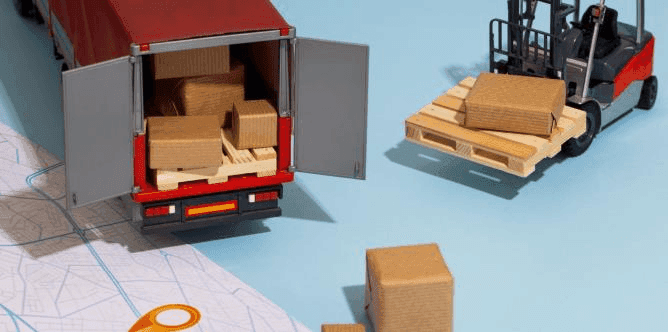

India’s electrical sector runs on precision, timing and smooth coordination across different points of movement. Whether it is transformers, cables, switchgear, or essential components needed in field installations, the rhythm of logistics plays a major role in maintaining a steady supply. The sector is fast-paced, and disruptions on the road or delays at warehouses can affect installation schedules, project planning and supply timelines.
Over the years, companies have realised that the backbone of reliable supply in this industry lies in strong logistics management and efficient warehousing management. When both function in sync, electrical equipment moves smoothly across regions, and businesses operate with far greater control.
This blog explores how integrated logistics and modern warehousing help power India’s electrical sector.

How Logistics has Become an Operational Strength for the Electrical Sector
The electrical sector in India has developed at a rapid pace, and this growth automatically creates a demand for reliable logistics systems. Companies used to engage several different partners for transport, storage, and coordination. It often created gaps that delayed operations. Companies nowadays prefer an integrated system that links the various aspects of movement, storage, and coordination through a well-structured approach.
Strong logistics management enables electrical companies to plan movement with clarity, forecast demand correctly, and stay prepared for project-based requirements. For a sector dealing with both routine supplies and project-oriented needs, this element of reliability cannot be overemphasised. Integrated logistics thus acts both as an enabler and a stabiliser.
The Growing Need for Modern Warehousing in Electrical Supply Chains
Storage is an essential factor in dealing with electrical parts. From fragile materials to heavy equipment, everything needs organised warehousing management. Modern warehouses offer more than a place of storage. They provide a view, speed, systematic handling, and enhancement in product traceability.
Safety, correct stacking, proper temperature where needed, and the ease of movement during dispatch are features that need to be focused on during the storage of electrical components. As infrastructure development is increasing rapidly throughout the country, businesses require warehouses which guarantee accuracy, minimise errors, and preserve the quality of the stored items.
It is hence central to the performances that happen consistently in the electrical sector. Here is how it helps:-
Improved Planning Through Integrated Co-ordination
Electrical projects are bound by tight schedules. A transformer, a cable bundle, or a panel board that shows up a day late can delay entire site activities. Integrated logistics makes sure that the planning is built on real, trackable data and not on assumptions.
With integrated systems, organisations benefit by:
- Smoother, more predictable movement of parts
- Smoother alignment between supply and installation teams
- Better coordination between warehouse staff and road teams
- Stronger visibility to stock and movement timelines
This smooth flow helps electrical companies maintain their schedule, especially during busy months or when the ground is unpredictable.
Reduced Handling Errors Through Modern Warehousing Methods
Electricity components are to be handled with care: slight dents, moisture exposure, and incorrect stacking may affect performance. Such risks are considerably minimised through modern warehousing management practices.
Structured warehousing supports the sector through:
- Clear labelling and sectioning of components
- Better handling equipment and/or improved movement practices
- Reduced risk of mix-ups at dispatch.
- Safer storage for fragile items and high-value equipment
When done methodically, warehouses ensure a more reliable supply chain as a whole.
Effective Stock Visibility for Improved Procurement and Distribution
Inequality in stock levels can impact electrical operations. If the business overestimates stock, projects may be faced with sudden shortages. If it is an underestimate, warehouses may remain overloaded with slow-moving items. This is where visibility becomes essential.
Integrated logistics management and warehousing systems support visibility by offering:
- Real-time tracking of inventory
- The correct understanding of fast-moving and slow-moving items
- Scheduling of procurement cycles - easy.
- Improved alignment of manufacturing and field needs
This helps electrical companies to maintain smoother operations and avoid last-minute delays.
Timely Movements for Stronger Project Support
Infrastructure and electrical projects across India rely heavily on the timely movement of material. Often, movement schedules shift due to ground realities or project urgency. Integrated logistics allows teams to respond quickly.
The benefit includes:
- Timely dispatch of project-specific material
- Supporting urgent deliveries based on changing site demands
- Ability to coordinate with field teams in real time
- Reduced delays because of manual gaps in communication.
This becomes especially important during large-scale installations or maintenance drives that involve day-to-day planning.
Lower Operational Costs Through Better Flow and Reduced Wastage
When movement and storage do not work in sync, costs rise silently. These include idle labor, re-work, route changes, and handling losses. Integrated logistics with modern warehousing practices reduces these unnecessary costs.
Companies benefit by means of:
- Reduced handling issues that can cause product damage
- Improved workforce planning within the warehouses
- Fewer repeat processes
- Lower administrative effort because of clearer coordination
For electrical companies working on competitive timelines and budgets, savings are a treasure.
Smaller Risks in Storage and Transit Accidents
Electrical components require careful handling during movement and storage. Modern warehousing management includes safety protocols, proper stacking methods, improved flooring systems, and trained staff who understand the sensitivity of electrical material.
Integrated logistics support the safety by:
- Good communication between drivers and warehouse teams
- Smarter route planning for road movement
- Reduced errors in loading and unloading
- More controlled treatment methods
- Better safety ensures fewer damages and more reliable performance on the field.
Increased Collaboration Via Third-Party Logistics Provider
A skilled third-party logistics provider brings structure and predictability to electrical supply chains. They handle transportation, warehousing, and coordination under a unified system, which makes daily operations more dependable.
Their support helps electrical businesses:
- Enhancing the accuracy of movement
- Store under uniform conditions
- Gain better control over supply timelines
- Quickly respond to project demands
When electrical companies work with the right 3PL partner, coordination becomes much clearer, and the supply chain becomes far easier to manage.
Why Integrated Systems Are Now a Necessity?
Integrated logistics and modern warehousing have become essential tools for India’s electrical sector. They offer stability, reduce errors, and make planning far more reliable. With smoother coordination between road movement and warehousing activities, electrical companies gain better control over timelines and reduce the stress of last-minute adjustments. The result is a more efficient, predictable, and well-organised supply chain that supports both routine supply and project-driven demands.
Strong Partnerships and Clear Systems
Build a Reliable Electrical Supply Chain. A dependable supply chain is one of the most important strengths an electrical business can have. Integrated logistics systems and modern warehousing practices help companies move material on time, maintain accuracy and support project commitments with confidence. When movement and storage work together, delays are reduced, handling improves, and planning becomes smoother across the board.
This is where strong partnerships make a meaningful difference. We at Varuna Group are an example of a logistics provider in India that places emphasis on structured warehousing management, clear communication and organised road movement. Our approach helps electrical businesses maintain a steady, reliable flow of components even when demands fluctuate or challenges appear on the ground.
Frequently Asked Questions
Q1: Why is road transport so critical to India’s logistics sector?+
Roads carry the majority of goods across India, connecting cities, towns, and remote areas. They offer flexibility that other transport modes can’t match, making them essential for timely deliveries.
Q2: How are logistics companies tackling high fuel costs?+
Many are switching to fuel-efficient trucks and using route optimisation tools to reduce mileage. These steps help cut costs while maintaining service quality
Q3: What role does technology play in modern logistics services?+
Technology, like GPS tracking and digital documentation, improves transparency and efficiency. It helps logistics companies track shipments, reduce delays, and streamline operations.
Q4: How can logistics companies support their drivers better?+
Offering better pay, rest facilities, and training for new tools can make a big difference. These efforts improve driver satisfaction and keep operations running smoothly.
Q5: What is the hub-and-spoke model in logistics?+
It’s a system where goods are collected at central hubs and then distributed to smaller locations. This reduces empty truck trips, lowers costs, and speeds up deliveries.
Related Insights

LOGISTICS
5 Trends that are Reshaping the Supply Chain Industry
5 Nov 2024, 5 MINUTE READ

LOGISTICS
Indian Logistics During Covid-19 Pandemic - The Journey from Resilience to Rebound
19 Sep 2020, 6 MINUTE READ

LOGISTICS
Impact of Fuel Prices in India on Logistics and Supply Chain Efficiency
5 Sep 2024, 5 MINUTE READ
LOGISTICS
Inbound vs Outbound Logistics: Key Differences & Benefits in 2026
22 Apr 2026, 6 MINUTE READ

LOGISTICS
How AI Is Changing Logistics and Supply Chain Operations
26 May 2026, 5 MINUTE READ
Popular Search
Supply Chain Management
Inventory Management
Logistics Supply Chain Management
Warehousing Management
3pl Third Party Logistics
Multi User Facilities
Logistics Companies In Chennai
Warehouse In Coimbatore
Logistics Services In Mumbai
Logistics Company In Delhi
Warehouses In Bangalore
Logistics Companies In Pune
Logistics Companies In Gurugram
Logistics Company In Indore
Logistics Company In Kolkata
Logistics Company In Coimbatore
Logistics Company in Hyderabad
Logistics Company in Kochi
Best Logistics Company In India
Logistics Services in Nagpur
Logistics Company in Ahmedabad
Warehousing in Delhi
Warehouse in Hyderabad
Cochin Logistics Companies
Logistics Companies In Mumbai
Warehousing In Kolkata
Warehousing In Chennai
Warehouse In Gurugram
Warehouses In Indore
Warehousing In Pune
Drive efficiencies throughout your supply chain with our technology-enabled services